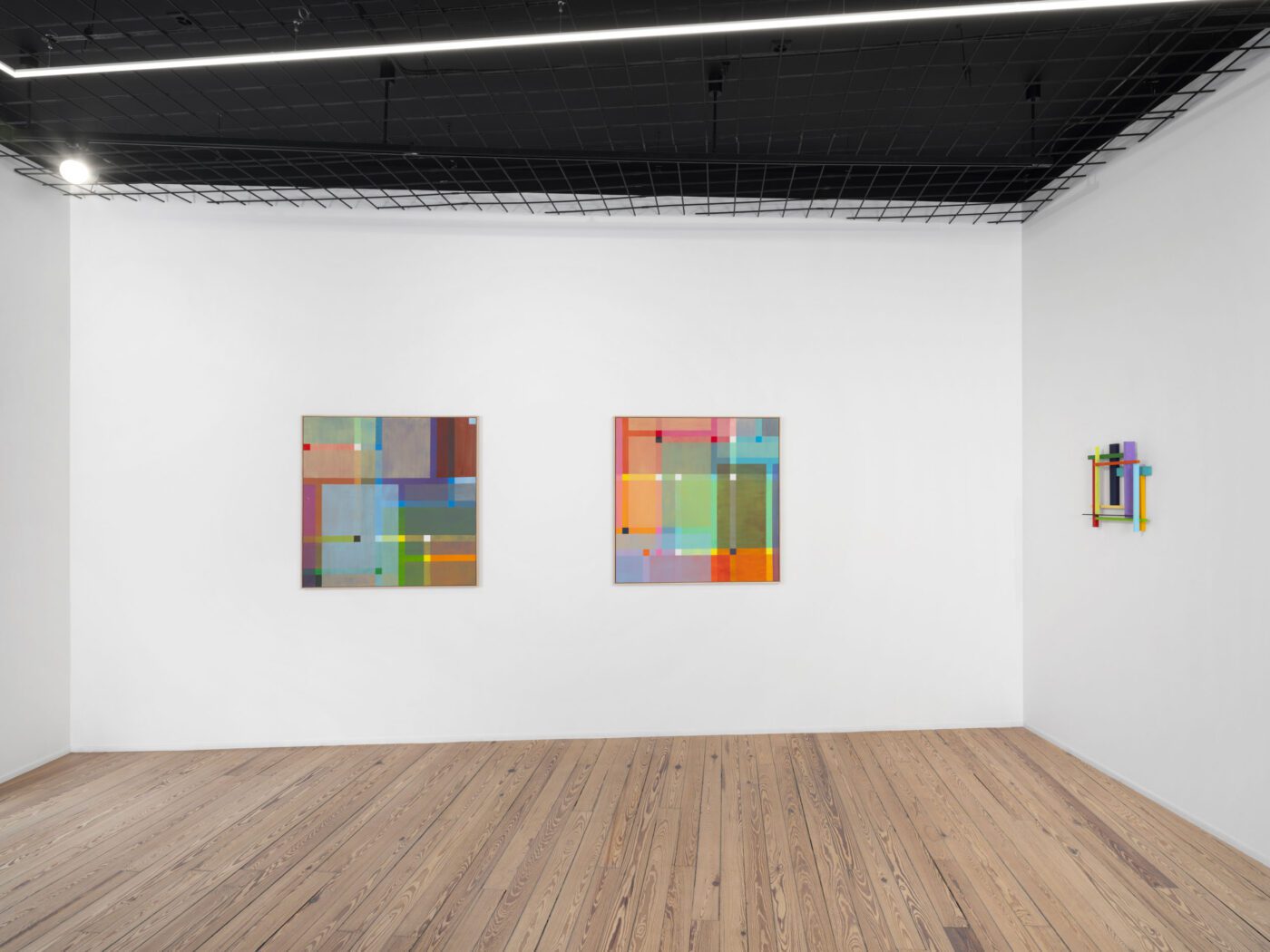
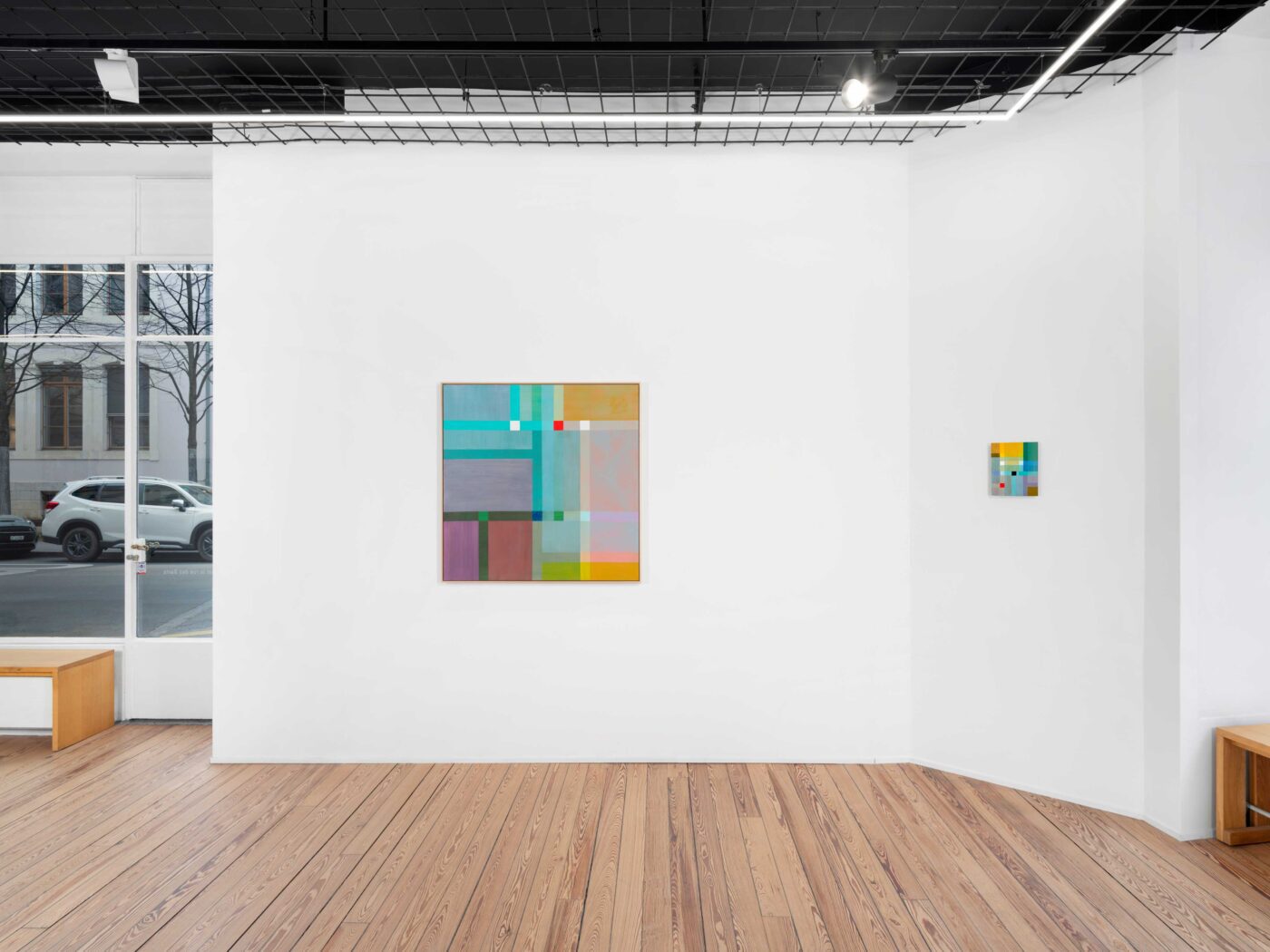
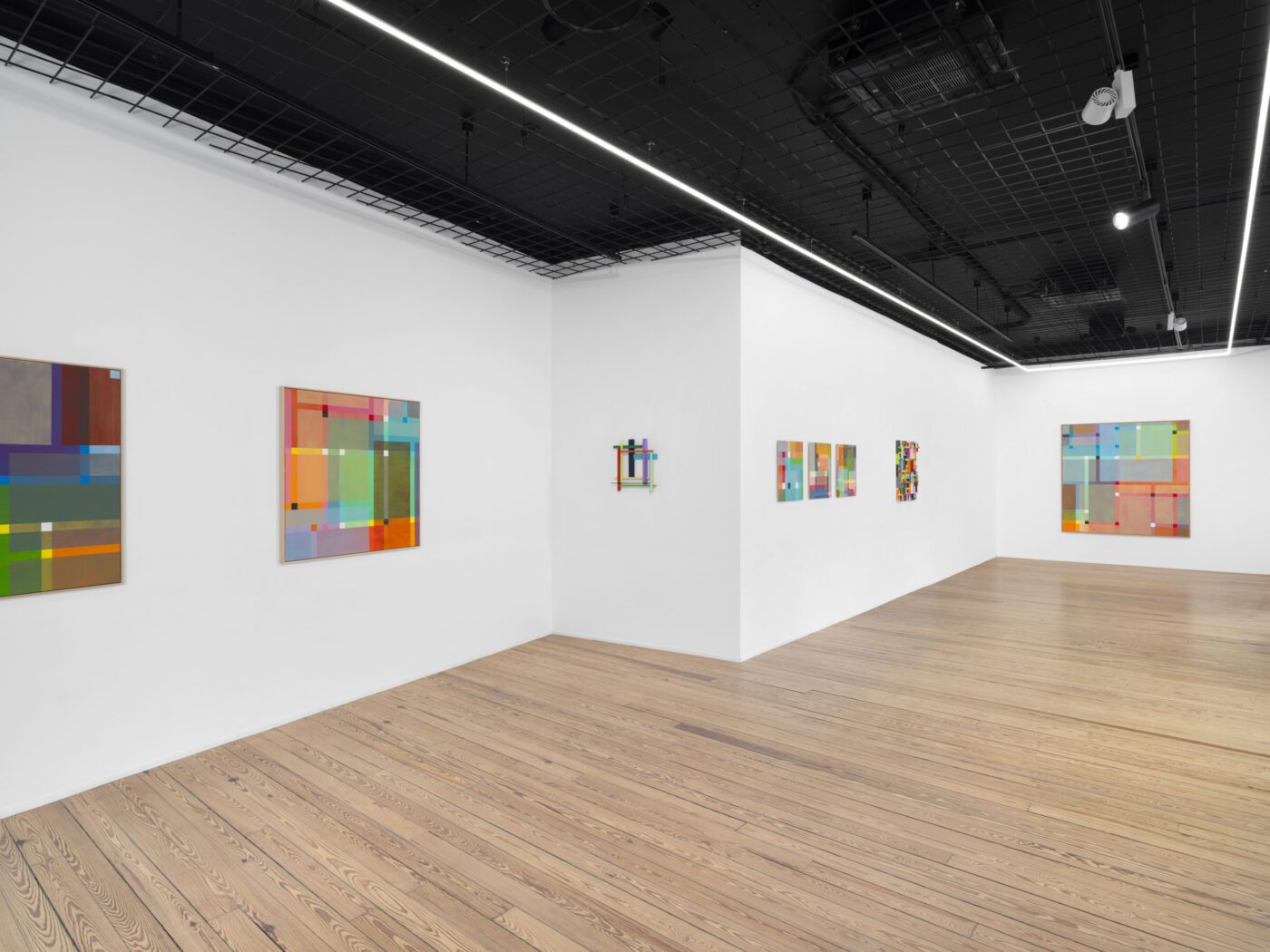
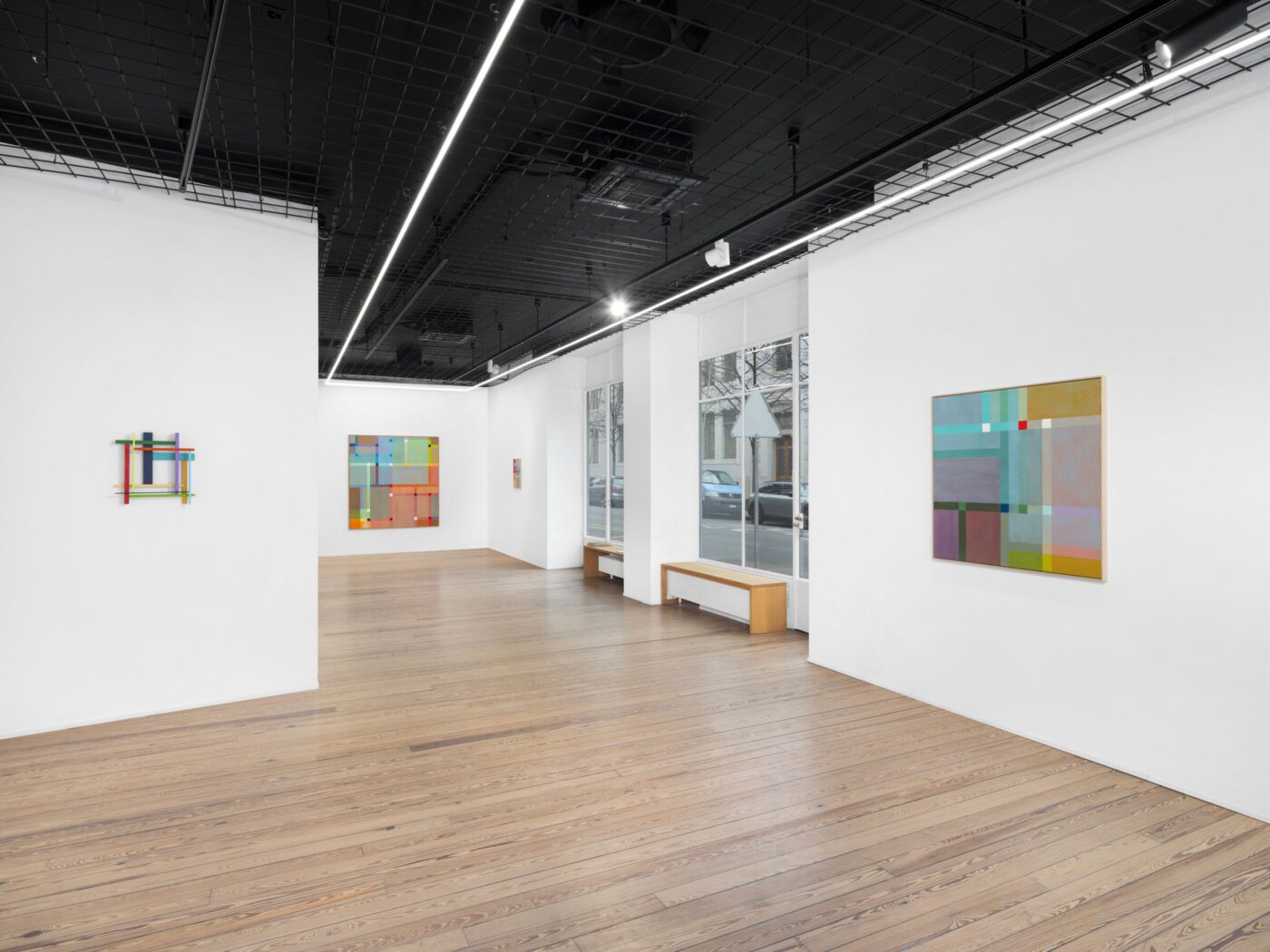
The galerie lange + pult is pleased to announce the first exhibition of Swiss artist Beat Zoderer in its Geneva space. In the show, Zoderer will present a new series of concrete watercolors. Please join us for the opening on January 15, from 6 pm.
Beat Zoderer is a major figure in contemporary Swiss art, whose practice is rooted in a constant dialogue with the legacy of Concrete Art, while gradually moving beyond it. Since the 1980s, his work has explored the relationships between color, form, rhythm, and space through a wide range of media, including painting, sculpture, and installation, with particular attention paid to systems and structures.
In Zoderer’s work, formal rigor is never synonymous with coldness; on the contrary, it serves a sensitive investigation into perception, the movement of the gaze, and the internal tensions of the image.
The series HAIKU fully belongs to this continuity, while at the same time marking a subtle shift. The title is not metaphorical; it designates a genuine working method. Like the haiku, a brief and condensed poetic form, these paintings rely on an economy of means, a high degree of precision, and a contained intensity. Executed in acrylic on MDF
LOAD MORE +
The galerie lange + pult is pleased to announce the first exhibition of Swiss artist Beat Zoderer in its Geneva space. In the show, Zoderer will present a new series of concrete watercolors. Please join us for the opening on January 15, from 6 pm.
Beat Zoderer is a major figure in contemporary Swiss art, whose practice is rooted in a constant dialogue with the legacy of Concrete Art, while gradually moving beyond it. Since the 1980s, his work has explored the relationships between color, form, rhythm, and space through a wide range of media, including painting, sculpture, and installation, with particular attention paid to systems and structures.
In Zoderer’s work, formal rigor is never synonymous with coldness; on the contrary, it serves a sensitive investigation into perception, the movement of the gaze, and the internal tensions of the image.
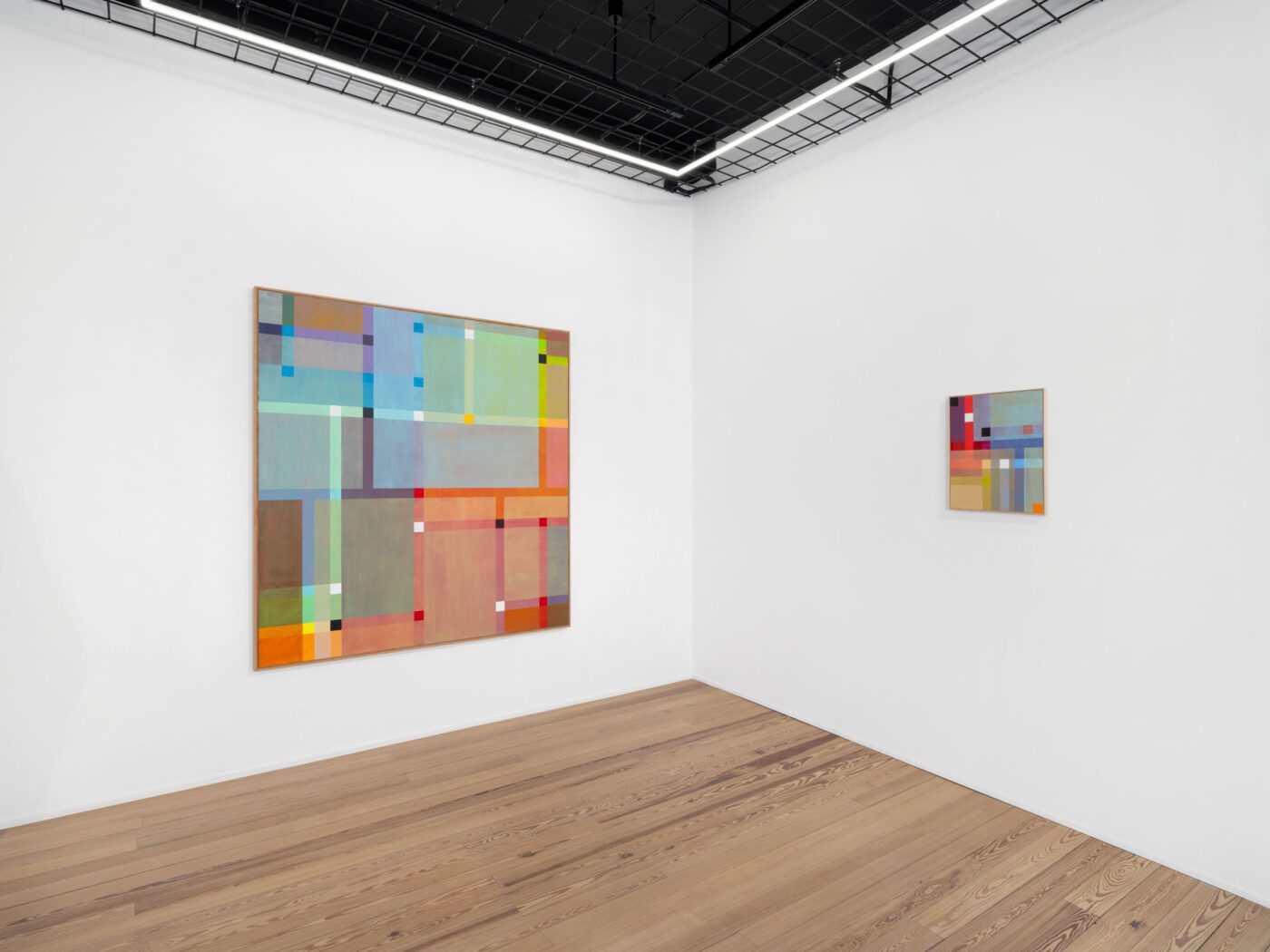
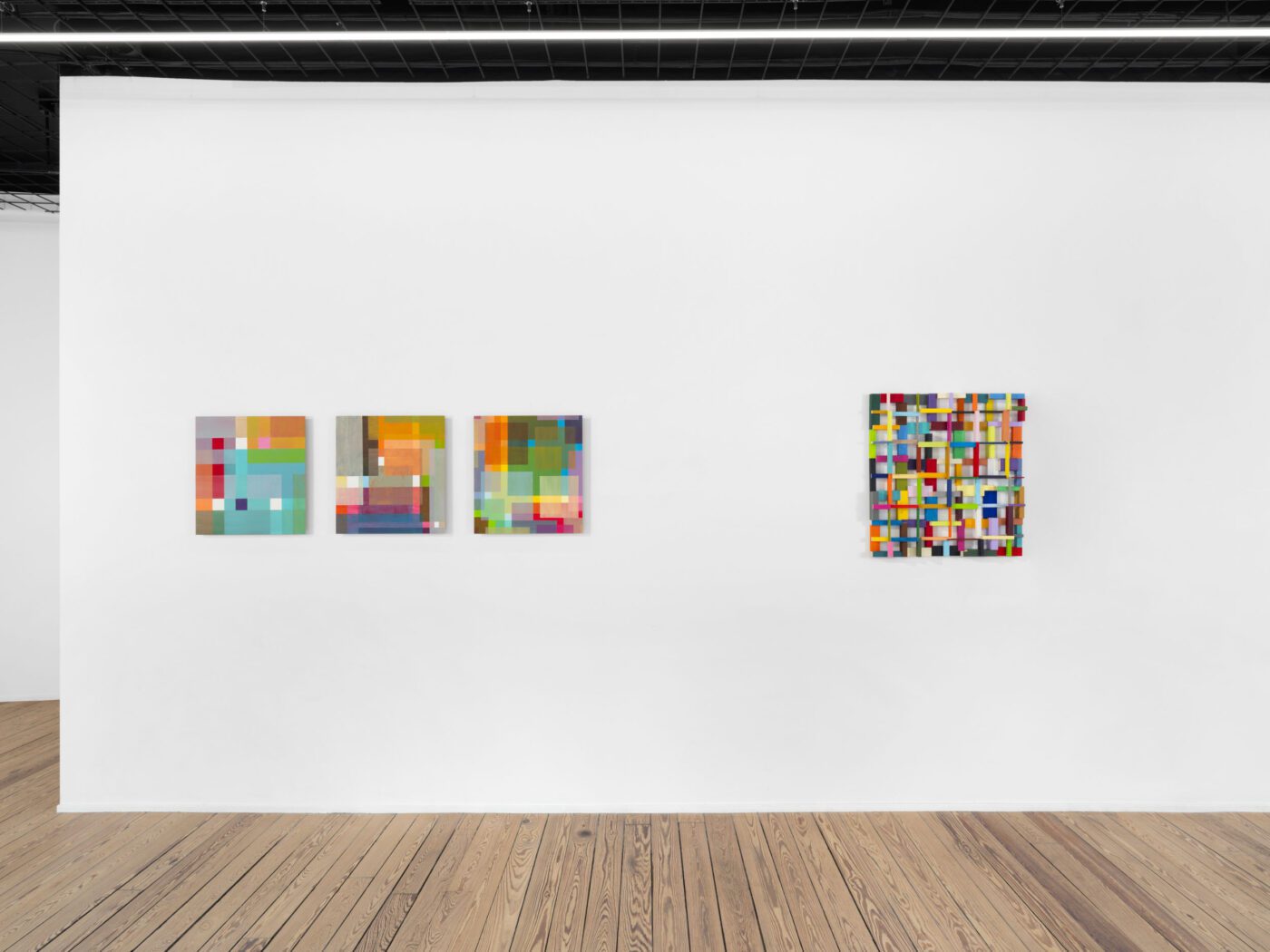
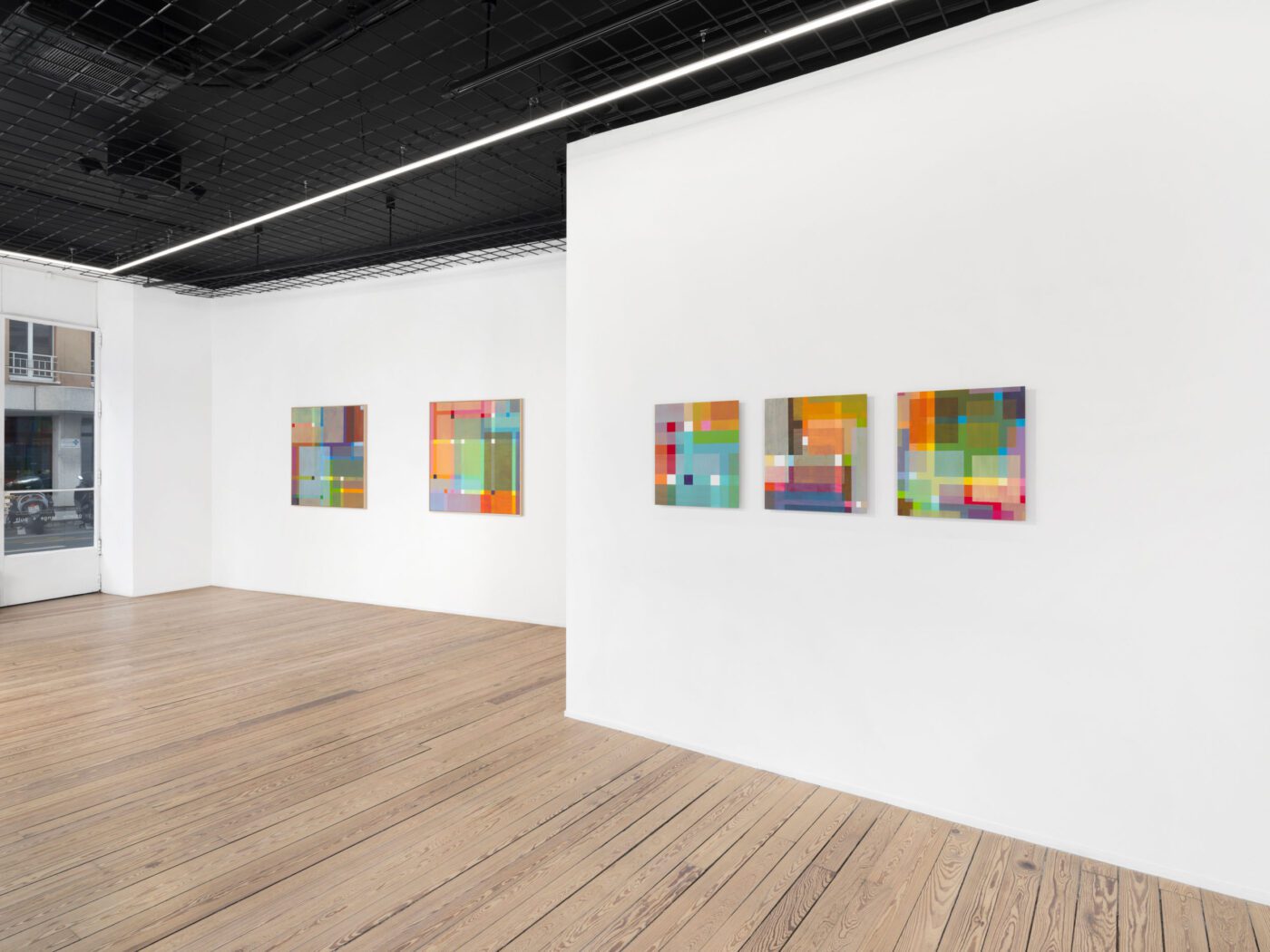
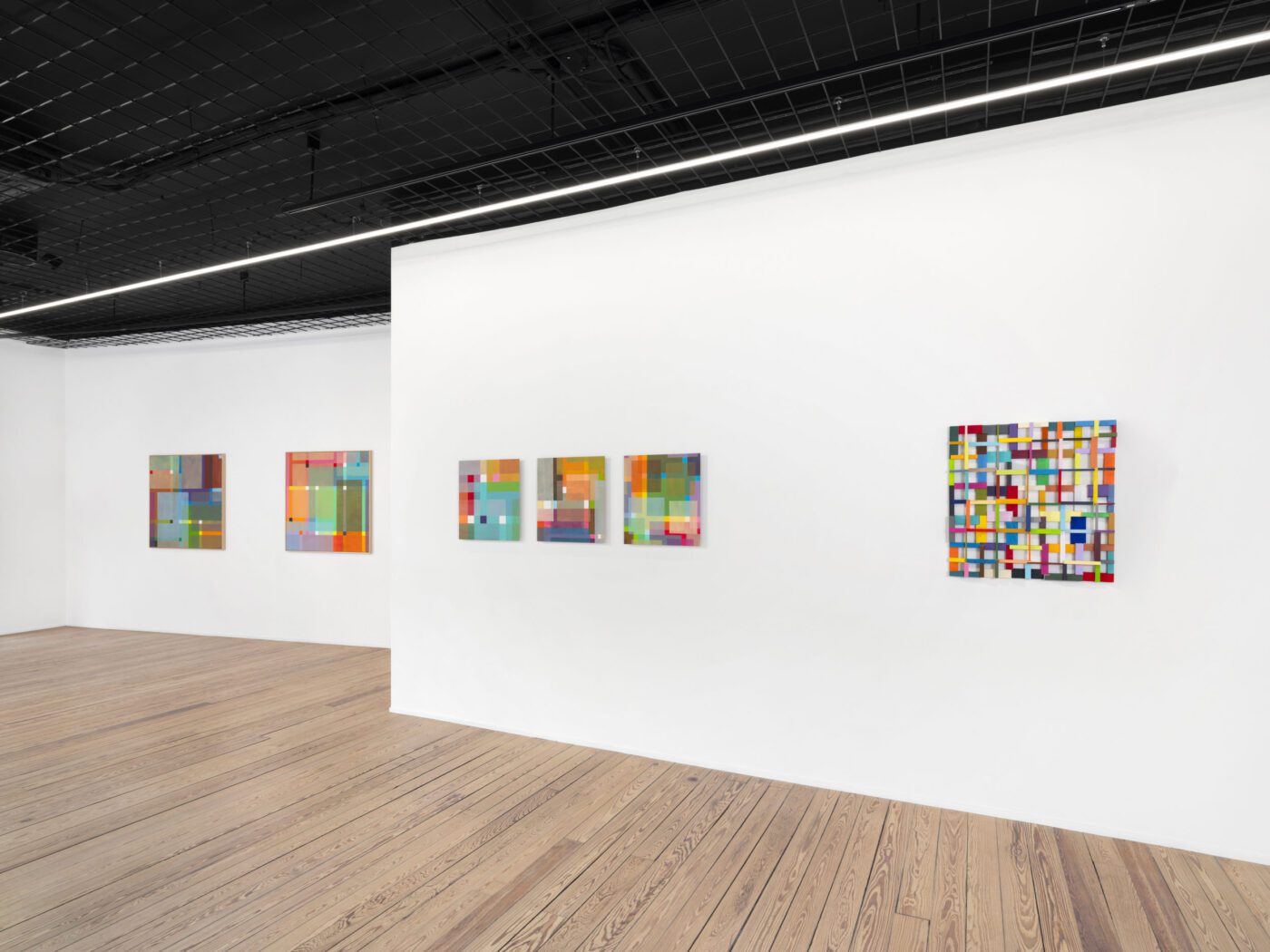
The series HAIKU fully belongs to this continuity, while at the same time marking a subtle shift. The title is not metaphorical; it designates a genuine working method. Like the haiku, a brief and condensed poetic form, these paintings rely on an economy of means, a high degree of precision, and a contained intensity. Executed in acrylic on MDF panels or cardboard, they present multicolored surfaces structured by grids and modular patterns, often composed of recurring small squares.
Color, applied in translucent layers, overlaps and optically blends, producing intermediate tones and a spatial depth that never reveals itself immediately. The viewer’s eye is invited to circulate, to slow down, and to recalibrate perception. The small squares function as rhythmic units; they organize chromatic vibration without ever fixing it, maintaining a constant state of visual instability. The superposition of layers is not merely a pictorial device, but also subtly echoes the structure of the haiku itself, a construction in three parts, in which each layer alters the perception of the previous one and produces a slight shift of the gaze rather than a narrative effect.
While remaining faithful to his long-standing interest in structure and repetition, Zoderer introduces here a new restraint, almost meditative in nature. As in a successful haiku, nothing is demonstrative; everything unfolds in the intervals, in the silence between forms, and in the precise moment when perception shifts. HAIKU can thus be read as an distilled synthesis of his practice, a form of painting that does not seek to impose a reading, but rather to create the conditions for attentive experience.